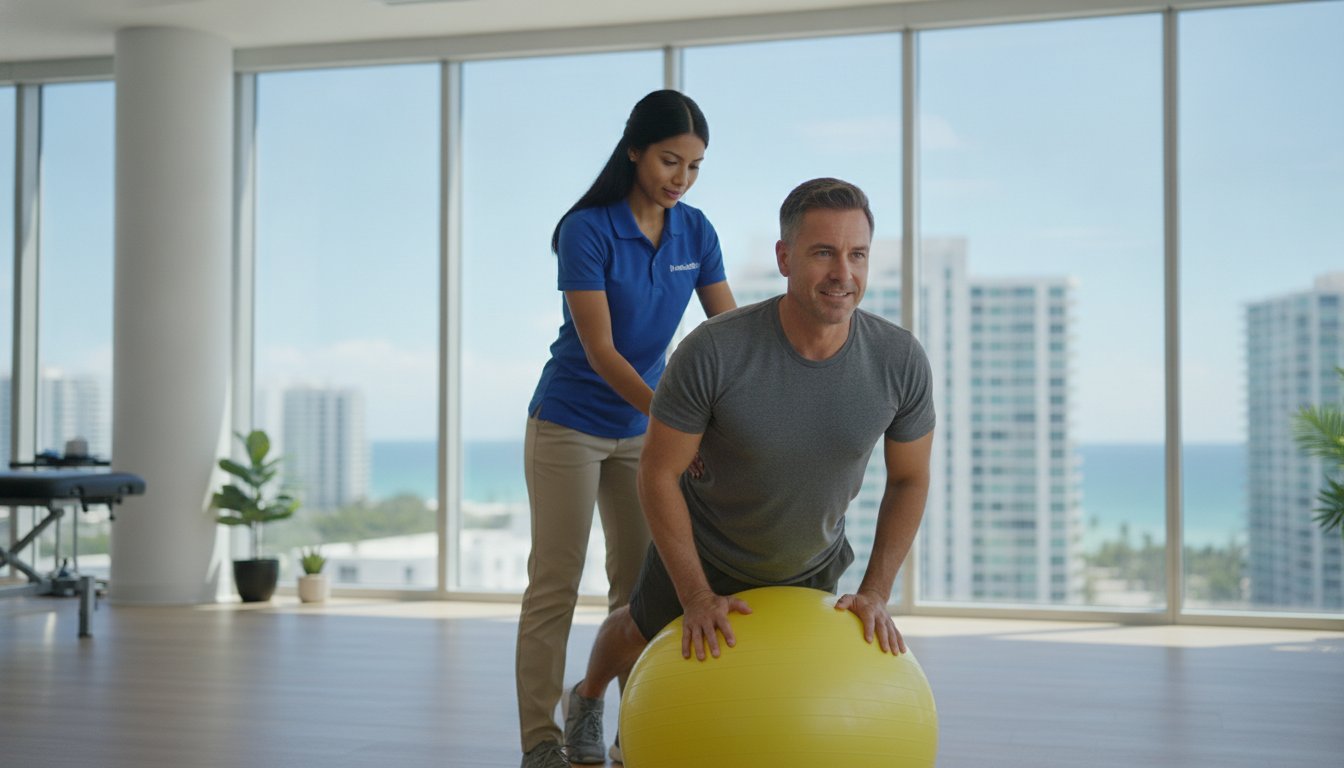
You might believe that complete bed rest is the safest way to protect your spine after an accident on the job, but staying stationary often does more harm than good. While your instinct tells you to avoid movement to prevent further damage, clinical evidence suggests that passive waiting can actually prolong your pain and complicate your workers’ compensation journey. It’s understandable to feel frustrated by slow progress or anxious about whether you’ll ever lift heavy objects or sit at your desk comfortably again. Physical therapy for work related back injury provides the structured support you need to move from a state of limitation back to your full professional potential.
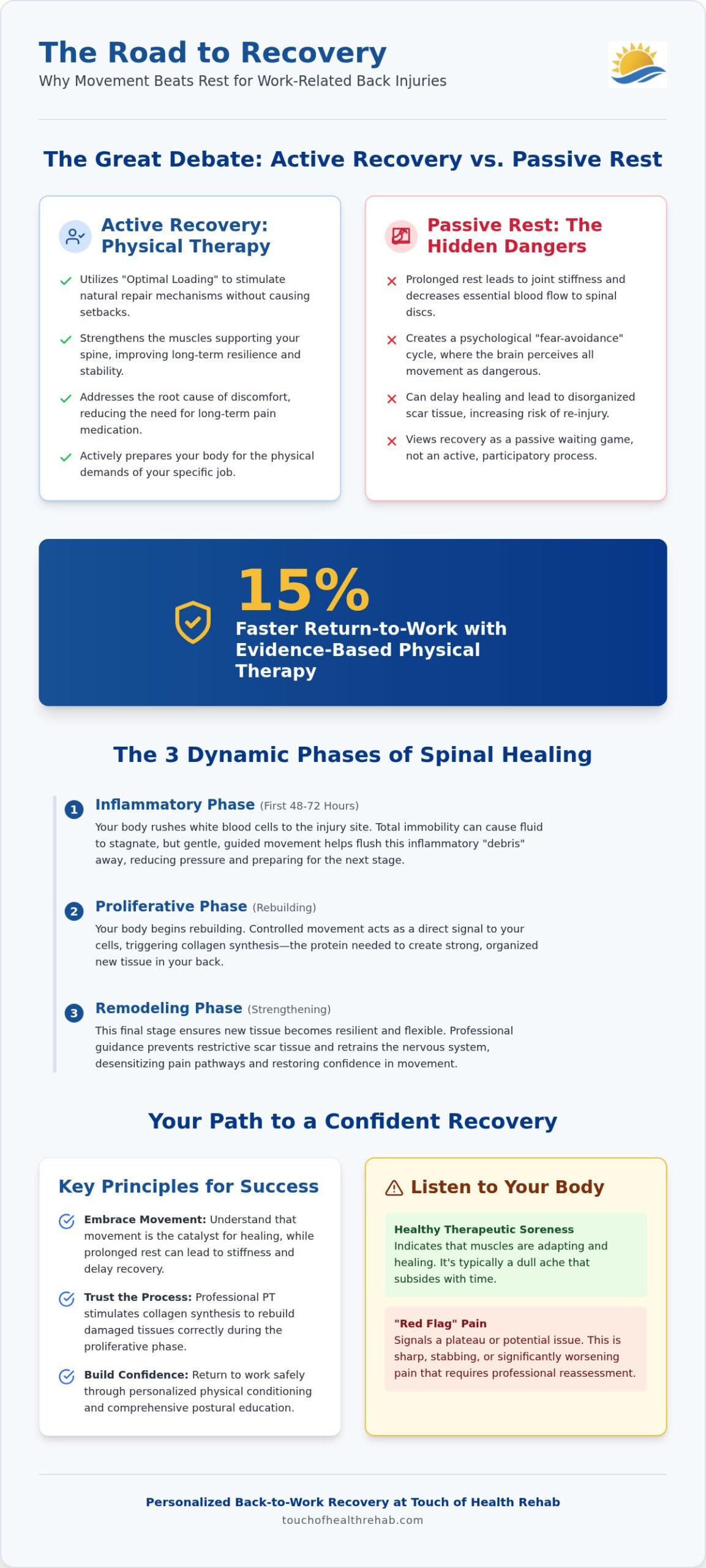
We’re here to guide you through a more empowering path to restoration. We promise to show you why active movement outperforms passive rest, helping you achieve a validated recovery timeline that respects your body’s unique needs. In this guide, we’ll explain how to navigate the 2026 recovery landscape, reduce acute discomfort, and gain the confidence to return to your professional life without the fear of re-injury. You’ll discover how evidence-based care leads to a 15% faster return-to-work, ensuring your journey back to health is both steady and secure.
Key Takeaways
- Understand why movement is the catalyst for spinal integrity while prolonged rest often leads to stiffness and delayed healing.
- Discover how professional physical therapy for work related back injury stimulates collagen synthesis to rebuild damaged tissues during the proliferative phase.
- Identify the specific recovery timelines for your unique situation, whether you’re managing a mild strain or navigating post-surgical rehabilitation.
- Learn to distinguish between healthy therapeutic soreness and “red flag” pain that signals a plateau in your recovery.
- Gain the tools to return to work with confidence through personalized physical conditioning and comprehensive postural education.
Physical Therapy vs. Rest for Work-Related Back Injury: The Great Debate
When you experience a sudden twinge or a sharp ache while lifting a heavy crate or sitting at your desk, your first instinct is likely to lie down and stay still. This approach is known as passive rest, a short-term protective phase that can be helpful for managing acute inflammation during the first 48 hours. However, the medical landscape has shifted significantly. In 2026, the clinical consensus is clear: prolonged bed rest is no longer the gold standard for Low back pain. Instead, active physical therapy, which utilizes clinically guided movement to restore your spinal integrity, is the most effective way to reclaim your vitality and return to your career.
We focus on a concept called “Optimal Loading.” This means finding the precise amount of activity that stimulates your body’s natural repair mechanisms without causing further irritation or setback. By engaging in physical therapy for work related back injury, you aren’t just waiting to get better. You’re actively participating in a collaborative journey that strengthens the muscles supporting your spine and improves your long-term resilience. This proactive approach ensures that your body heals in a way that prepares you for the physical demands of your specific job.
The Hidden Dangers of Prolonged Bed Rest
Staying in bed for more than a couple of days can actually work against your recovery goals. Inactivity leads to joint stiffness and significantly decreases the essential blood flow that carries nutrients to your spinal discs. Beyond the physical impact, there’s a psychological component called fear-avoidance. When you rest too long, your brain begins to perceive any movement as dangerous, which can create a cycle of chronic pain and anxiety about returning to your workstation. You should view passive recovery as a temporary bridge to help you cross the initial threshold of pain, not as a permanent solution for your injury.
Why Physical Therapy is the Modern Standard
There’s a significant difference between just moving and the clinical mobilization provided by a specialist. While general exercise is helpful, a targeted plan ensures that every stretch and strengthening movement is tailored to the nuances of your injury. This precision is why physical therapy for work related back injury is so effective at reducing the need for long-term pain medications. By addressing the root cause of your discomfort, we empower you to heal naturally and avoid the side effects of pharmaceutical reliance. If you’re ready to start your recovery, our team offers comprehensive physical therapy to assess your condition and build a plan that gets you back to work safely.
The Science of Spinal Healing: Why Movement Beats ‘Wait and See’
Healing is a dynamic biological sequence, not a passive event that happens to you while you wait on the sidelines. To understand why movement is essential, we must look at the three distinct phases of tissue repair. During the Inflammatory Phase, which lasts roughly 48 to 72 hours, your body rushes white blood cells to the injury site. While you need to avoid heavy lifting here, total immobility can cause fluid to stagnate, increasing local pressure and discomfort. Gentle, guided movement helps flush this inflammatory “debris” away, setting a healthier foundation for the next stage.
As you enter the Proliferative Phase, your body begins the delicate work of rebuilding. This is where movement acts as a direct signal to your cells. Controlled physical activity triggers collagen synthesis, the protein needed to bridge the gap in damaged back tissues. Without this mechanical stimulus, the new tissue may be weak or poorly organized. Finally, the Remodeling Phase ensures that this new tissue becomes resilient. Professional guidance is vital during this time to ensure scar tissue doesn’t become a permanent barrier to your flexibility. Choosing physical therapy for work related back injury early on ensures these phases progress smoothly, preventing the disorganized healing that often leads to chronic relapses.
Beyond physical tissue, movement actually retrains your nervous system. After a workplace accident, your brain often stays in a “high alert” state, sending pain signals long after the initial threat has passed. We use specialized techniques to desensitize these pathways, teaching your body that movement is safe and productive. Research into workplace rehabilitation interventions confirms that staying active within clinical boundaries is the most reliable way to restore both physical function and neurological calm.
The 72-Hour Window for Work Injuries
In 2026, the standard for “early intervention” has shifted from weeks to mere days. Visiting our sanctuary in Sunny Isles Beach shortly after an injury prevents the mismanagement that leads to long-term disability. One of the greatest risks of the “wait and see” approach is the development of compensatory habits, like limping or leaning to one side. Your body quickly learns these bad habits, which often result in secondary injuries to your hips, knees, or neck. Starting your journey early stops these patterns before they become hardwired into your movement profile.
Preventing Chronic Dysfunction and Atrophy
For laborers and office professionals alike, early mobilization is the best defense against “frozen” spinal segments and muscle atrophy. When spinal joints aren’t moved through their natural range, they can become stiff and restricted, making the eventual return to work much more difficult. Our specialized pain management solutions allow you to begin moving safely and comfortably, significantly shortening your overall recovery timeline. We are committed to helping you maintain your physical conditioning so you can return to your team with full strength and confidence.
When to Start Physical Therapy After a Back Injury: Timelines
Every injury follows its own rhythm, and your recovery timeline should reflect the specific physical demands of your profession. Whether you’re a hospitality professional in Sunny Isles standing for eight hours or a construction worker in Miami Beach handling heavy materials, your path back to health requires a tailored schedule. While some believe you must wait weeks to begin, physical therapy for work related back injury often starts with gentle breathing techniques and spinal alignment rather than strenuous exercise. If your injury involved a vehicle while on the clock, an immediate assessment for auto accident recovery is essential to rule out hidden structural damage.
The following table provides a general framework for when to transition from rest to active recovery based on the severity of your condition:
| Injury Type | Recommended Start | Primary Clinical Goal |
|---|---|---|
| Mild Muscle Strain | Within 24-48 Hours | Restore mobility and prevent stiffness. |
| Disc Herniation | 3-7 Days (Post-Acute) | Nerve decompression and core stabilization. |
| Post-Surgical Rehab | 1-3 Days (Per Surgeon) | Tissue protection and circulation. |
The Acute Phase: Day 1 to Day 5
During these first few days, our focus is on inflammation control and identifying your “safe” movement zones. It’s tempting to search for “YouTube exercises” at home, but a professional assessment is critical to ensure you don’t inadvertently worsen a disc issue. We integrate postural education immediately. By learning how to sit, stand, and breathe in ways that reduce pressure on your spine, you can manage pain effectively while your body begins its natural repair process.
The Functional Phase: Day 6 and Beyond
Once the initial sharp pain subsides, we transition from simple relief to building the strength you need for your specific job. This phase is about workplace readiness. We often incorporate balance and gait rehabilitation to ensure your movement is steady, which prevents the slips and falls that often occur when your body is compensating for a back injury. Your return-to-work readiness is measured by your functional capacity to perform professional tasks, not just the absence of pain. This ensures that when you do go back, you have the physical conditioning to stay healthy and productive. Engaging in physical therapy for work related back injury during this phase builds the resilience necessary for a long, pain-free career.
Identifying Red Flags: When Rest is No Longer an Option
While your body possesses an incredible capacity for repair, it often requires a dedicated guide to ensure that healing stays on track. Many workers believe that if they simply wait long enough, the pain will vanish on its own. However, if you’ve practiced passive rest for more than three days without noticing a clear reduction in symptoms, you’ve likely hit a recovery plateau. This “Plateau Warning” is a critical signal that your back isn’t getting better alone. At this stage, professional physical therapy for work related back injury becomes essential to break the cycle of stagnation and prevent long-term dysfunction.
You also need to distinguish between therapeutic soreness and actual injury pain. It’s normal to feel a dull, manageable ache after starting a movement program; this is often a sign that dormant muscles are waking up. Sharp, stabbing sensations or electrical jolts are different. These are red flags. By choosing physical therapy for work related back injury, you gain access to expert screening for nerve involvement, especially when discomfort is accompanied by numbness or tingling in your extremities. These symptoms suggest your system is under stress that requires an immediate clinical assessment to prevent permanent damage.
Signs of Improper Healing in Back Injuries
Watch for subtle clues that your body is compensating rather than recovering. Persistent morning stiffness that lasts longer than 30 minutes is a common indicator that inflammation is still poorly managed. You might also notice pain that radiates down your leg, often called sciatica, even while you are sitting or lying down. If a loss of range of motion prevents you from performing basic daily tasks, like reaching for your shoes or putting on socks, your spinal segments may be becoming “locked” in a protective but harmful state.
The Risk of Secondary Injury
Untreated back injuries often trigger a chain reaction throughout the body. For Aventura professionals who spend hours at a desk, a lower back injury frequently leads to secondary neck pain as they shift their posture to avoid discomfort. These postural shifts are your body’s attempt to survive the day, but they create new imbalances. If your back injury has affected your stability, fall prevention therapy can be a vital component of your care to ensure you remain safe on your feet. Don’t let a temporary injury become a permanent limitation. We invite you to schedule your personalized assessment at our Sunny Isles sanctuary to realign your path to health.
Personalized Back-to-Work Recovery at Touch of Health Rehab
At Touch of Health Rehab Inc., we believe your recovery should be as unique as your career path. Our Sunny Isles Beach clinic serves as a human-centered sanctuary where clinical precision meets compassionate care. We understand that a workplace injury affects more than just your physical body; it impacts your livelihood and your peace of mind. Lead Physical Therapist Berlin and our dedicated team don’t just treat symptoms. We partner with you to build a resilient foundation for your future. Our specialized physical therapy for work related back injury goes beyond basic exercises by integrating manual therapy, targeted physical conditioning, and comprehensive ergonomic education into every plan.
We utilize a “service-to-benefit” framework to ensure every movement has a purpose. When we apply manual therapy techniques, we’re actively reducing joint restrictions to restore your natural fluid motion. When we guide you through physical conditioning, we’re transforming muscle weakness into a stable support system that protects your spine during the rigors of your workday. This methodical approach creates a sense of calm and stability, ensuring you never feel rushed through your rehabilitation. We’re here to guide you through a collaborative journey toward peak physical health and long-term vitality.
Your First Visit: More Than Just an Exam
Your first visit to our sanctuary is a deep dive into your unique movement profile. We conduct a detailed movement analysis and postural screening to identify the root cause of your discomfort. Instead of focusing solely on your limitations, we work together to set life-affirming milestones that matter to you. These might range from the simple joy of walking along the beach in the morning to the professional necessity of sitting through a long board meeting without pain. By setting clear, functional goals, we turn the recovery process into a series of achievable victories. You can find inspiration in our success stories to see how others in the South Florida workforce have reclaimed their active lifestyles.
Your Partners in Workplace Wellness
We recognize that returning to work involves more than just physical readiness. Our team acts as your dedicated guide, collaborating with your employer or insurance provider when necessary to ensure your transition back to the office or job site is safe and sustainable. We emphasize wellness and preventative care to stop the cycle of re-injury before it starts. By mastering the principles of postural integrity and proper body mechanics, you’ll gain the tools to stay healthy long after your formal sessions end. If you’re ready to move past the “wait and see” approach and start a proactive path to restoration, we’re ready to help. Schedule your back injury assessment today and take the first step toward a stronger, pain-free professional life.
Reclaiming Your Strength and Professional Vitality
Choosing the right path after a workplace accident is the most important decision you’ll make for your long-term health. While the instinct to rest is natural, we’ve seen that active, guided movement is the true catalyst for rebuilding damaged tissue and retraining your nervous system. By prioritizing physical therapy for work related back injury, you aren’t just managing symptoms; you’re investing in a future free from chronic limitations. You’ve learned that early intervention prevents the “chain reaction” of secondary pain and that your readiness to return to work is defined by your ability to move with confidence and poise.
At Touch of Health Rehab, our sanctuary in Sunny Isles Beach is led by Lead Physical Therapist Berlin, a specialist dedicated to work-related spinal rehab. We’re proud to serve the hard-working residents of Sunny Isles, Aventura, and Miami Beach with personalized care that honors your unique journey. Don’t let another day of “wait and see” delay your restoration. Start your personalized back recovery in Sunny Isles Beach today and rediscover the joy of peak physical health. We’re here to partner with you every step of the way toward a pain-free career.
Frequently Asked Questions
Is it too late to start physical therapy if my work injury happened months ago?
It’s never too late to begin your recovery journey, even if your injury occurred several months ago. While early intervention is ideal, your body remains capable of remodeling tissue and improving function long after the initial accident. Starting physical therapy for work related back injury at this stage focuses on breaking the cycle of chronic pain and correcting compensatory habits that have likely developed over time. We’ll help you reclaim the mobility you thought was lost through a personalized and steady approach.
Can physical therapy help with chronic back pain that rest didn’t fix?
Yes, physical therapy is specifically designed to resolve the underlying issues that passive rest cannot address. Chronic pain often stems from muscle weakness, joint stiffness, or neurological sensitivity that persists when you remain inactive. Our approach uses active physical conditioning to strengthen your core and restore spinal integrity. By moving beyond the “wait and see” method, you provide your body with the mechanical stimulus it needs to finally complete the healing process and return to peak function.
Do I need a doctor’s referral for physical therapy in Sunny Isles Beach?
In Florida, you can typically access physical therapy services directly without a referral for the first 30 days of treatment. However, when dealing with a work accident rehabilitation claim, your insurance provider or workers’ compensation carrier usually requires a formal referral from a physician to authorize payment. We recommend checking your specific policy requirements before your first visit. Our staff can help you navigate these administrative steps to ensure your focus remains entirely on your collaborative journey to health.
Will physical therapy make my back pain worse before it gets better?
You may experience some mild therapeutic soreness as you begin moving dormant muscles, but your pain should not become sharp or debilitating. We prioritize your comfort by identifying “safe” movement zones during your initial sessions. This ensures that every exercise promotes restoration rather than irritation. If you ever feel a spike in discomfort, we adjust your plan immediately. Our goal is to empower you with movement that feels productive and life-affirming, never intimidating or overwhelming.
How many sessions a week are typical for a work-related back injury?
Most patients attending physical therapy for work related back injury benefit from two to three sessions per week. This frequency allows for consistent progression while giving your tissues adequate time to adapt and repair between appointments. As your strength improves and you master your personalized physical conditioning program, we may gradually reduce the frequency of your visits. We’ll always tailor the schedule to match your specific recovery goals and the functional demands of your unique workplace.
Can I continue to work light duty while attending physical therapy?
You can often continue working in a light-duty capacity while attending your therapy sessions. In many cases, staying active in a modified role helps maintain your professional rhythm and prevents the psychological hurdles of a long-term absence. We’ll provide you with specific ergonomic education to ensure your light-duty tasks don’t interfere with your spinal healing. This partnership between your clinical care and your workplace activity often leads to a more seamless and confident return to your full professional duties.
What should I wear to my first physical therapy appointment for a back injury?
You should wear comfortable, loose-fitting clothing that allows you to move freely during your movement analysis. Athletic wear, such as gym shorts, leggings, or a flexible t-shirt, is ideal because it gives your therapist a clear view of your spinal alignment and joint mechanics. Sturdy, closed-toe shoes like sneakers are also recommended for safety during balance and gait exercises. Choosing the right attire ensures you feel relaxed and ready to participate fully in your initial assessment and treatment.
Does insurance usually cover physical therapy for work-related injuries?
Workers’ compensation insurance typically covers the full cost of authorized physical therapy for injuries sustained on the job. This coverage is designed to help you return to your professional duties safely and efficiently without a financial burden. Our team has extensive experience in work accident rehabilitation and can assist with the necessary documentation to streamline your claims process. We’re committed to being your dedicated guide through both the clinical and administrative aspects of your recovery in our Sunny Isles sanctuary.